
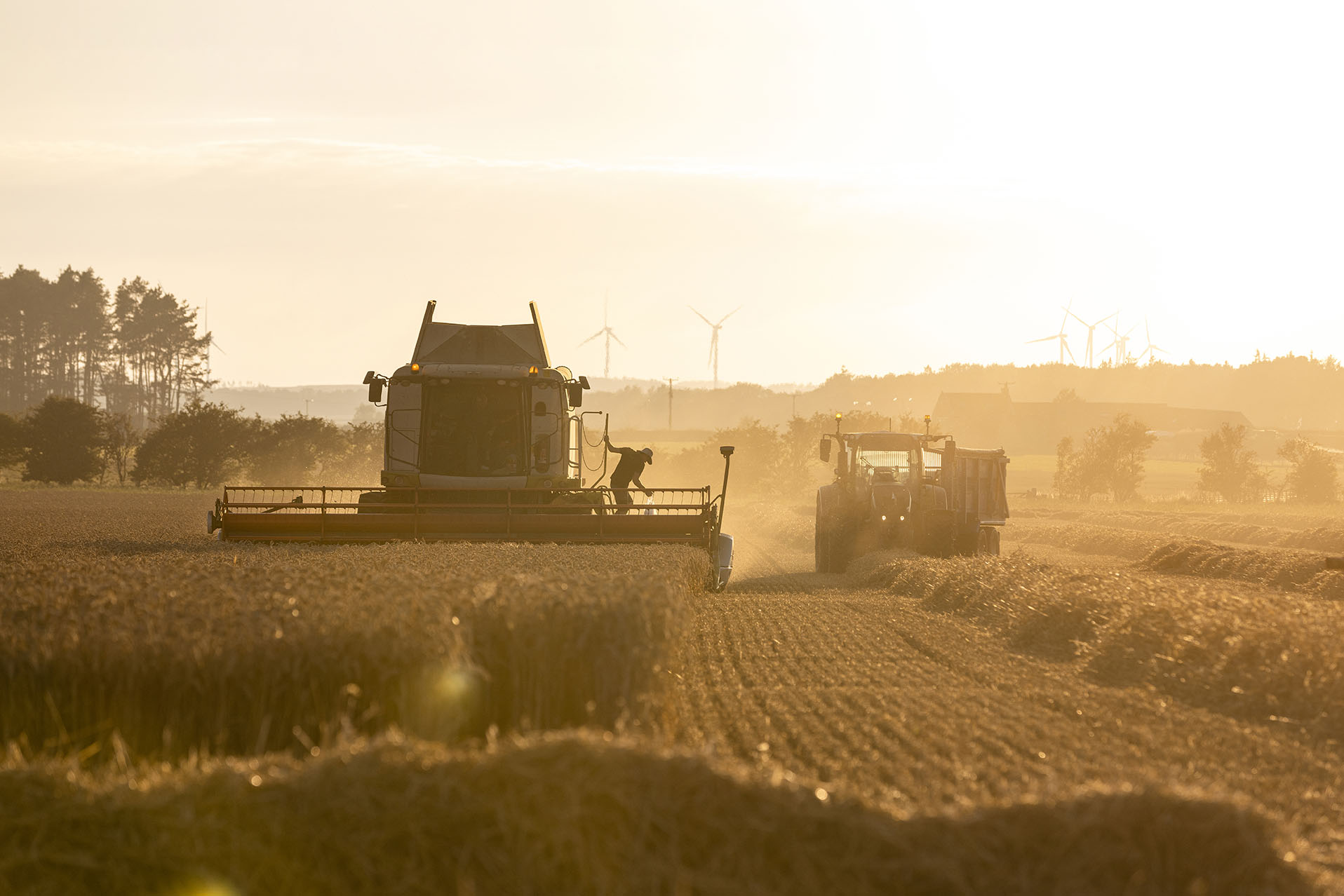
By Simon Craven, Bielsbeck Farm, East Yorkshire
As a farmer in the heart of East Yorkshire, managing 243 hectares of potatoes, wheat, maize, and sugar beet, I’ve always been on the lookout for ways to grow healthier crops while easing up on synthetic chemicals. Enter plasma-activated water (PAW) – a tech that feels like science fiction but is grounded in real science. By mimicking lightning’s natural nitrogen fixation, PAW infuses water with reactive oxygen and nitrogen species (RONS), turning it into a mild fertiliser and natural defender against pests and stresses. With trials underway at my farm under a Defra ADOPT grant, and backed by a team of experts, PAW could cut fertiliser costs, boost yields, and make farming more sustainable. Let’s dive into the science and stories behind it, explained simply for fellow farmers.
The Magic of PAW: Bottling Nature’s Thunder
Imagine capturing lightning’s power on your farm. That’s PAW in a nutshell. Created by exposing water to non-thermal plasma – an ionized gas like in neon lights – it loads up with RONS such as hydrogen peroxide (H₂O₂), nitrates, nitrites, hydroxyl radicals (OH•), superoxide (O₂⁻), nitric oxide (NO), and peroxynitrite (ONOO⁻). These aren’t random chemicals; they’re dynamic messengers that kickstart plant responses.
In agriculture, PAW acts as a multi-tool:
• Mild Nitrogen Boost: Provides bioavailable nitrates, reducing reliance on synthetic fertilisers.
• Natural Sanitiser: Kills pathogens like Pythium and algae without toxic residues.
• Stress Reliever: Induces a gentle “oxidative eustress” that primes plants for tougher conditions, like drought or disease.
Studies show PAW speeds up seed germination, strengthens roots, and improves resilience. At Bielsbeck, we’re applying it both to the soil via boom sprayers and as foliar sprays on wheat and spuds, with early results showing healthier plants and lower input costs. To stabilize it for storage, we add humic carbon at a 1:500 ratio.
Unlocking the Secret World of RONS: Plant Messengers with a Dual Personality
RONS – reactive oxygen and nitrogen species – are the stars of this show. They’re not just waste from plant metabolism; they’re sophisticated signals that help crops sense and adapt to their environment.
At low levels, RONS are heroes:
• They orchestrate growth, development, and defense.
• Through protein modifications like S-nitrosylation and sulfenylation, they tweak enzymes and transcription factors.
• They influence epigenetics, changing how genes are expressed for long-term adaptation.
• A “ROS wave” spreads signals rapidly across the plant, priming distant leaves for threats.
But crank up the concentration, and they turn villainous, causing “nitro-oxidative stress”:
• Lipid peroxidation damages cell membranes.
• Proteins denature, messing with metabolism.
• DNA gets lesions, leading to mutations.
• In extreme cases, it triggers programmed cell death (PCD) to isolate damage.
Plants keep this balance with antioxidants like catalase (CAT), superoxide dismutase (SOD), and peroxidase (POD). It’s like a built-in thermostat for resilience.
RONS come from various spots in the plant cell:
• Chloroplasts and Mitochondria: From photosynthesis and respiration, producing things like singlet oxygen under bright light.
• Peroxisomes: Via photorespiration, churning out H₂O₂.
• Plasma Membrane and Apoplast: Enzymes like NADPH oxidases (RBOHs) create bursts for quick defense.
Each stress – biotic (pathogens) or abiotic (drought) – has its own RONS “signature,” allowing tailored responses.
The Immune Symphony: RONS and Plant Hormones Team Up
Plants don’t have immune cells like we do; instead, they rely on a network of RONS and phytohormones – small-molecule messengers that coordinate defenses.
RONS are the first responders:
• Upon spotting a pathogen, they burst out, modifying proteins and triggering hypersensitive response (HR) for localised cell death.
• They activate pathogenesis-related (PR) proteins, strengthen cell walls with lignin, and produce antimicrobial compounds.
Phytohormones then conduct the long-term strategy:
• Salicylic Acid (SA): Fights biotrophic pathogens (that feed on living tissue) and triggers systemic acquired resistance (SAR) plant-wide.
• Jasmonic Acid (JA) and Ethylene (ET): Handle necrotrophs (tissue-killers) and insects, boosting inhibitors and compounds.
• Abscisic Acid (ABA): Balances growth and defense, closing stomata to block invaders.
• Growth hormones like auxins, cytokinins, gibberellins, brassinosteroids, and strigolactones fine-tune priorities, often dialing down defense for growth when safe.
The real beauty is the crosstalk – it’s bidirectional:
• Hormones spark RONS production (e.g., ABA activates RBOHs for H₂O₂).
• RONS tweak hormones (e.g., NO modifies ABA proteins via S-nitrosylation).
• This creates feedback loops: SA-RONS for biotrophs, JA/ET-RONS for necrotrophs.
The result? A finely tuned immune system that adapts without wasting energy.
How PAW Supercharges This System
PAW takes RONS signaling to the next level by delivering a controlled dose right to the roots or leaves.
It induces mild stress that activates:
• Calcium (Ca²⁺) fluxes for quick signaling.
• Upregulation of defense hormones like SA and JA.
• Amplification of pattern-triggered immunity (PTI), with oxidative bursts via RBOHs, leading to callose deposits and stomatal control.
• Boosted antioxidants to handle the eustress and restore balance.
In trials, PAW primes plants for faster, stronger responses to real threats, offering eco-friendly protection without chemicals. It’s like giving your crops a vaccine against everyday stresses.
From Lab to Field: Our UK Trials and Team
Partnering with FireWater Ag, whose machines produce PAW on-site at pence per litre, we’re testing this in real UK conditions. Their plasma arc tech pulls nitrogen from air, creating 0.36 kg per litre – efficient and emission-free.
